
I could never run a marathon. I got to drink more water.
I’d love to race one in the future, though! But I got a lot of practice to do. I especially got to stay hydrated more often (drink water, kids). But what the heck does hydrating for a marathon have to do with social media?
Well, like how hydrating helps with running, social media helps in social justice movements. Don’t believe me?
Hydration & Social Media: A Part of the Race, Not the Solution
You think it’s silly, but let’s genuinely consider looking at social media through this lens. You want to make real-world change through social media as if you were trying to win a marathon. To get to that ultimate goal, you need a strategy. So what do you do with that media and water?
You should use social media for a social justice movement like it’s water in a marathon. Social media is a strategy, and one that should be considered. However, it should not be the only way to make change, nor be the sole way of doing so.
Why Use Social Media as a Strategy?
For many social justice movements, social media should absolutely be considered. We’ve seen media be useful in both old and recent movements. And I’ve found three ways why this is: Community, Content, and Sharing.
Community
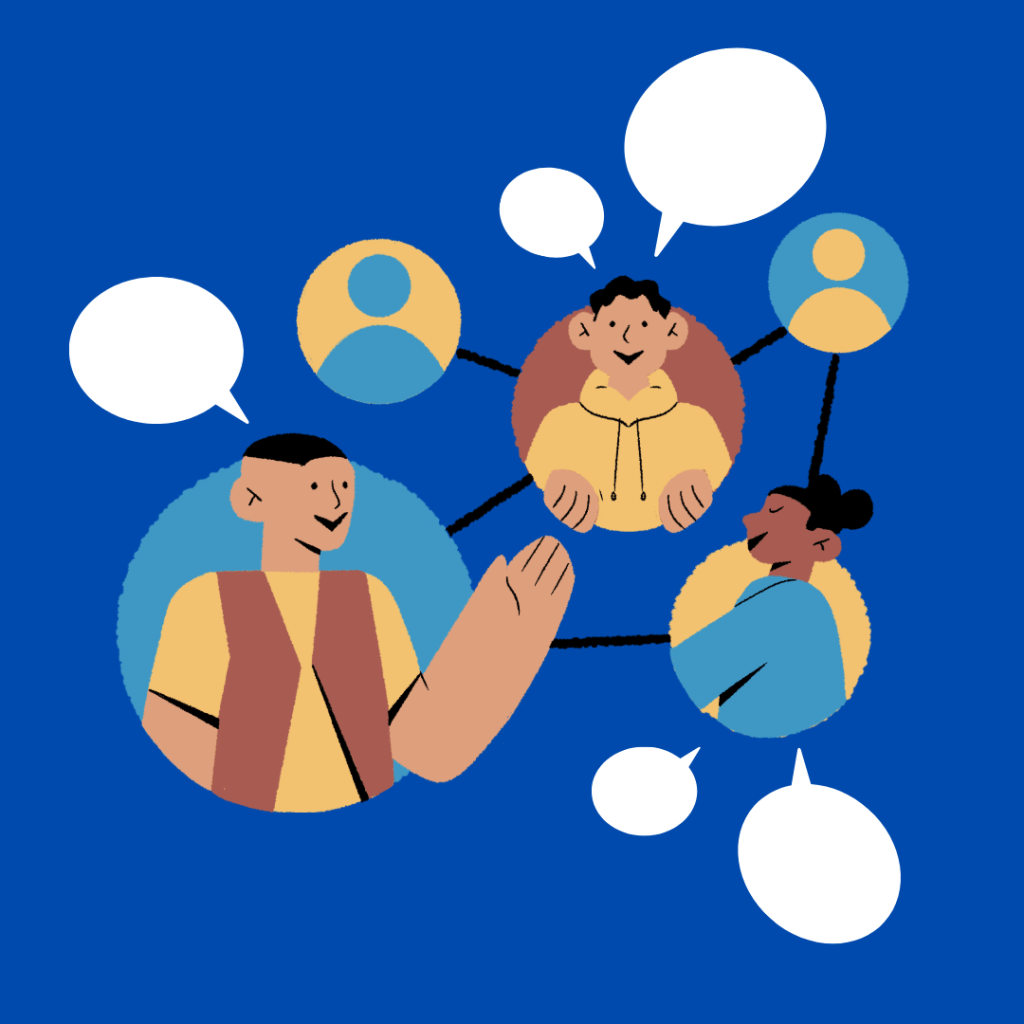
Firstly, community. Like running in a marathon, social media is a place for everyone. You can find anyone, from any place. It’s clear from the past that social media can build community for groups who face discrimination and struggles.
Look at the LGBTQIA+. As a community that regularly faces discrimination in many parts of their lives, many people have found solace within social media. In fact, 70% of LGBTQ+ adolescents had access to identity-affirming spaces online. As a result, many feel seen and heard, bringing them together and sharing their experience.
Content
If you want people to see or hear you, then you can post! Unlike other mass media, social media platforms can allow for loads of content to be put in the same place. All platforms have different rules, but many let you post discussions, videos, photos, and more. With few limits, you can post informative works that can reach millions of people on your social cause.
Sharing
But no one can know if you are running if you don’t share your work. One of the best aspects of social media is the ability to share your work in multiple ways. Two groups that really utilized social media’s sharing abilities are BlackLivesMatter movement and the Arab Spring protests.
BlackLivesMatter used the hashtag #BlackLivesMatter, and there are more than 44 million #BlackLivesMatter currently exist on Twitter today. Meanwhile, for the Arab Spring, people both #ArabSpring but used their countries as the main has like #egypt or #libya. In both cases, these hashtags created hubs that were informative but also could be shared across platforms.
Reaffirm: Social Media is NOT the Key, Though
Social media is good in social justice movements, but it is not the key to major success on its own. Likewise, you can’t just drink water to do well in a marathon. It absolutely helps to have, but there are other things that must be considered as well.
Looking back at the Arab Spring, for example. Despite the major changes made, social media was only a part of it. A lot of the work was done by the people within their own countries. Plus, while social media worked for some major information spreads, other countries weren’t as lucky.
While there are still some downsides, I do think that the influence of social media absolutely can change people for the better. If social justice causes and political campaigns can use social media in a strategic way, then it can lead to good change. Like a water bottle, use social media. The race can be completed.

 The Simple Look
Leave a comment