

There are very few videos online that have left me speechless. Like loss for words on their stories and what they served to promote. Some notable members of the list include Save Ralph or Nuggets. Both are a 10/10 watch. If you have or haven’t seen either though, both do one thing in my opinion very well: they don’t shy away from their topics. And today, I came across another member to add to the list: Kony 2012.
The Wonderful Phenomenon of Kony 2012: Messaging
What stuck out to me was the messaging and the tactics implemented to make Kony 2012 work. For goals, Kony 2012 promises to complete 3 things:
- Show ICC Fugitive Joseph Kony to the public in order to further his arrest by 2013.
- Bring awareness to the children of Uganda who have been forced to join his group, the LRA and rescue them.
- Share and support the video so the organization, Invisible Children, can continue to help both promote and protest.
All of this change, promised in the span of 30 minutes? It’s such a strong opening to a video, that it felt perplexing to watch. But I was still curious. How could one person make such a difference? Simple. In a world where your goal is to make things known, you have to have the right strategies.
Strong Social Media: Tactics
Kony 2012 uses multiple social media tactics to help make its campaign successful too. Look no further than the SPIN Framework, which is used to detect viral campaigns. SPIN has 4 steps: Spreadability, Propagativity, Integration and Nexus. And within each, we see how Kony 2012 functions as a successful social media campaign.
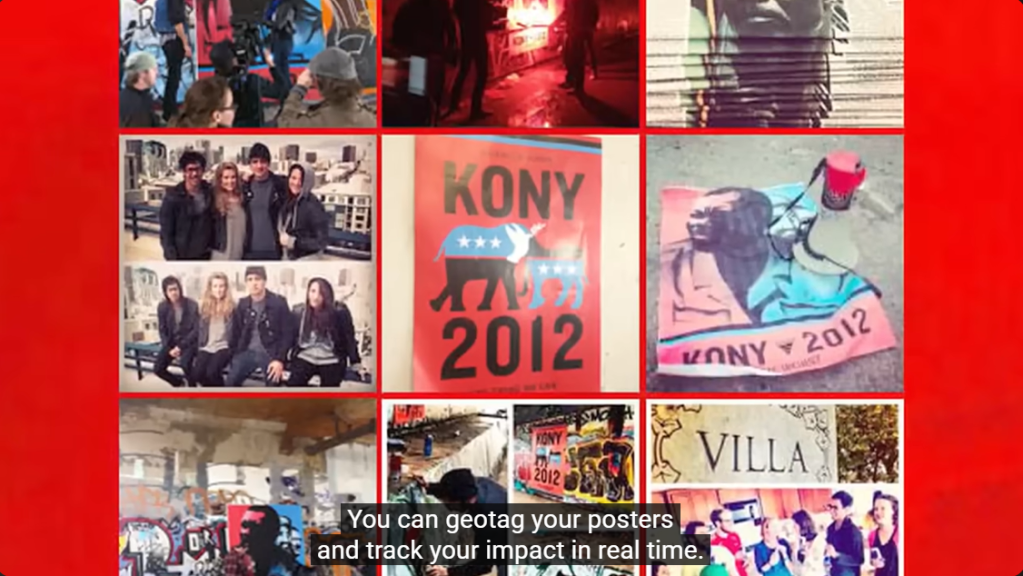
- Spreadability: Kony 2012 at the time was reaching everyone who wanted to help the cause, showing why change must happen soon.
- Propagativity: Kony 2012 offered multiple ways of being able to help the cause like care packages for support, protest dates and more.
- Integration: Because of how accessible the video was, people from multiple social platforms could learn more and share.
- Nexus: There have been multiple follow ups to Kony 2012 by the Invisible Children, reinforcing its messaging.
A Powerful Impact That Shocked Me
Okay, I lied a bit. I was convinced on the messaging and tactics. But there is one more thing that they did that really sold the deal. It’s a relatively short scene but an important one nonetheless. It starts at the 6:15 mark.
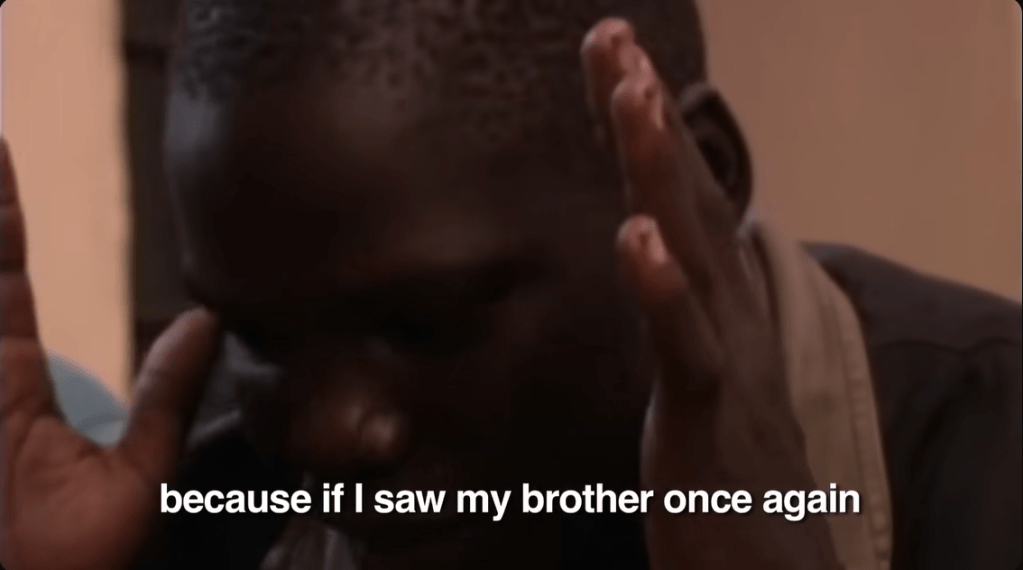
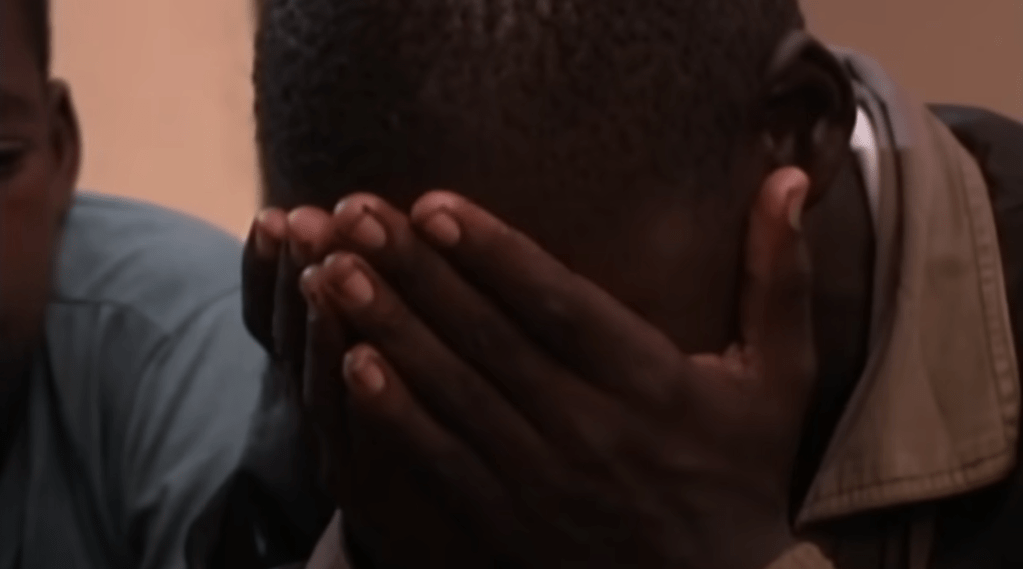
In the scene, narrator Jason Russell is talking to Jacob, a boy who managed to escape the LRA. However, the conversation left me devastated, seeing Jacob break down after remembering the lose of his brother while there. Can you imagine? Being a young boy, taken from your home, fighting a war you want no part of, and you can’t even hope for a future after losing family. I nearly cried.
It’s one of the most important scenes in my opinion, because ultimately, while the goal to arrest Joseph Kony is important, these kids are the ones suffering from him the most. Showing this interview is but a glimpse into their world. They matter and deserve to have a chance of some level of normalcy.
To A New Future
I still am quite hopeful for what Invisible Children and Kony 2012 serve to do. Despite only just watching the film for the first time recently, I had an impact on me. I felt happy knowing that things could better, that their strategies could be accessible and done by anyone. You see the impact with Joseph Kony himself. He may still be at large, but his attacks have lessen dramatically since then. He can no longer hid. As a result of Kony 2012, Invisible Children have a good future that has clearly helped lives across the global.

 The Simple Look
Leave a comment