
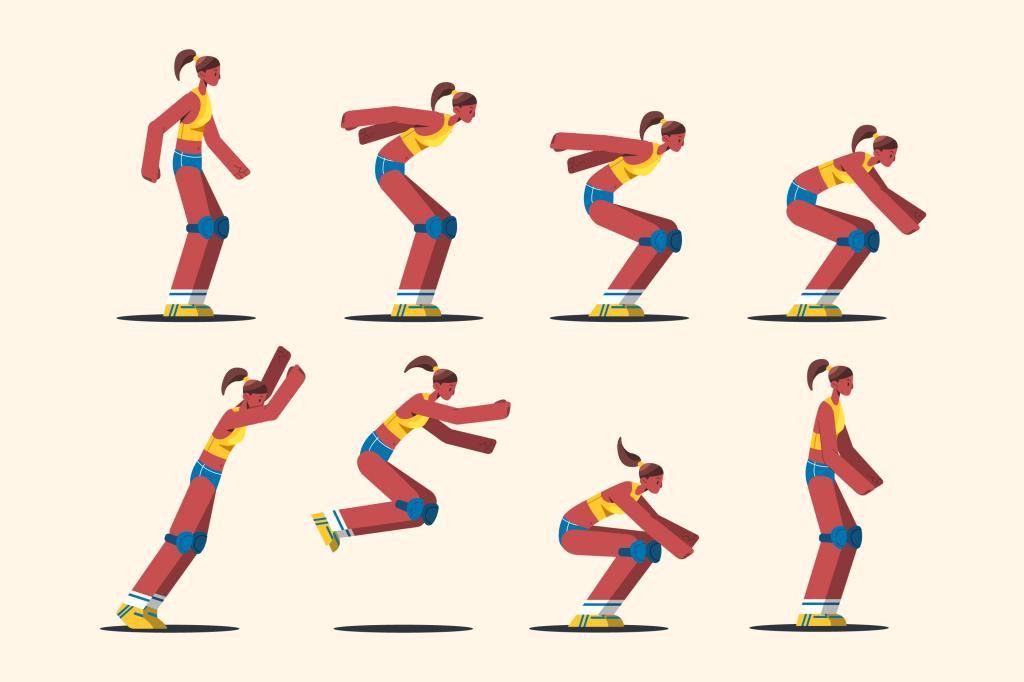
When I was a kid, I used to hate stop motion. Genuinely, the movie Coraline scared the lot out of me to the point I couldn’t watch such films. But as I got older and revisited the film, I realized how fascinated I was with the style. And when I had the chance to do it as an undergrad, I was thrilled. It’s such a complex way of animating, and I love it!
And this week, I have the pleasure over the next two weeks to be creating my own again! But this time, I’m going bigger and better! I want to make something that takes what I’ve done, and up it by 100%. I’m thrilled to share the first half so far.
Animating Anything? Nah, Animating Storytelling
So I had ambitions, but truth be told, stop motion is one of the most variety-based animated forms out there. The style is made to push people. So to get a good direction on where to go, I went to dear old Animated Storytelling by Liz Blazer. And boy, did this week have some fun concepts!
Chapter 5: Color Sense
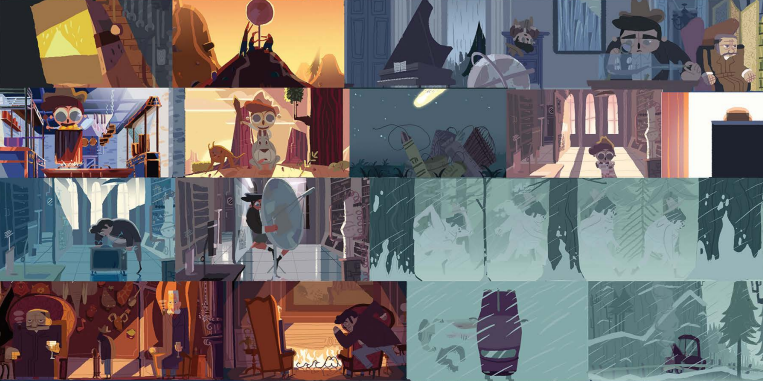
A fun factor to consider when making your animation is color. It may not be something you think of at first, but trust me, it holds a lot of value. This includes the different parts that affect a color and how animators use color.
To start, Blazer examples that color includes 3 effects: Hue (basic colors like red, blue, etc.) Saturation (vibrant or grayish scale) , and Value (lighter/darker color tones). You can also include Tone too (brightness of a shot). All of these impact the types of colors you will get in a shot. If it helps, Blazer recommends making a color scale to get a better understanding of color (starting a gradient from lightest shade to darkest shade).
But color also impacts the story you try to tell. For example, having your character/idea uses different colors than the background to make their movement stand out. Or limiting to a specific color palette to create visual interest. No matter what you do, you must make sure that whatever color you use in the end ultimately creating a unified image. A very fun chapter!
Chapter 6: Weird Science
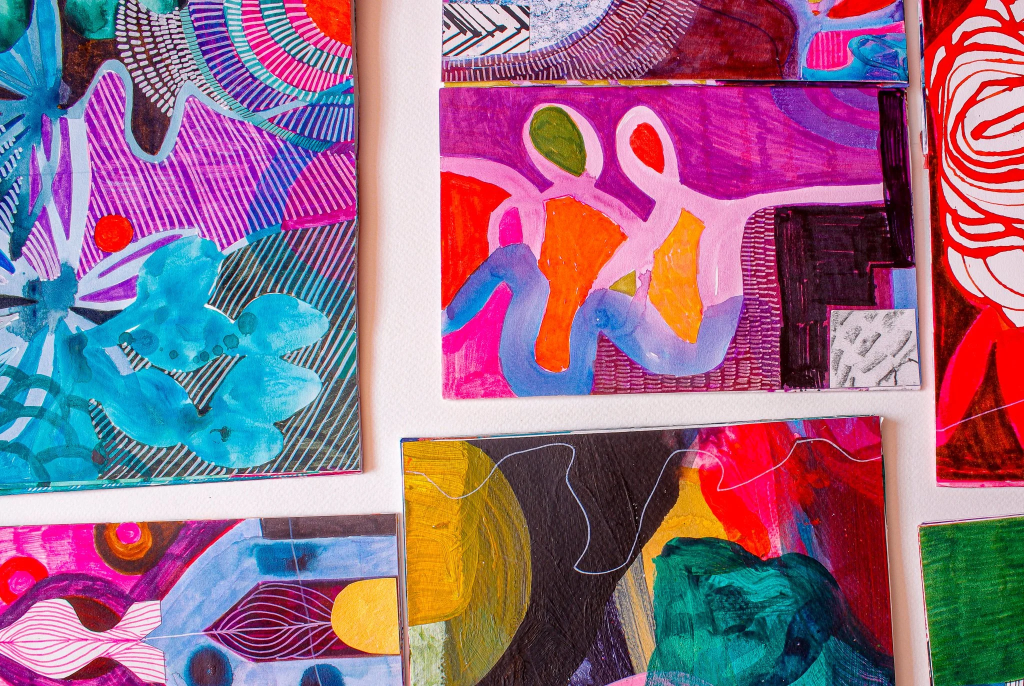
A smaller but important chapter that I went through is Chapter 6: Weird Science. The goal of this chapter was to experiment, to do things that most people consider weird or odd, because style and creativity can come from the most unlikely areas.
Blazer continues by giving a couple of examples of what you could do. She listed anything from making bad art to pushing your limit or even just doing your job, even if you are unfamiliar with it. By doing any of these, you are pushing your brain to areas you may have never tried.
There are also other experiments to try, like with Transitions and movement, as they play a role in how people view animations. Just know that this chapter is meant to express yourself in new ways; the science is endless.
Stop and Pose: Now Look at That, She Moves!
There are many different types of stop motion out there. There are so many materials you can use to make them and no matter where you look, you’ve probably seen at least one. So I am going to look at some of my favorites to see where I can go with mine!
Lego: Cooking a Burger
A simple yet classy animation, LEGO has been one of the most common stop motion materials out there. With LEGO’s movement and easy use, you can do a lot. My personal favorites though are the food animation ones like this burger one. Here you can tell that so much time was put in with how smooth and fluid it is! A cool watch if you need to relax.
Paper: Mousy and Mama
A style that tends to be forgotten is paper animation! And I think one that uses its abilities to the max is Mousy and Mama! Its a short video about a rat going to his mama after a long day. With its bright colors and smooth motion, it feels like a genuine animation! And its only 20 seconds long!
Action Figures: Into the SpiderVerse Recreation
A fun YouTube short is this Into the SpiderVerse scene recreation! Using an action figure, you can also convey movement in fun ways. It doesn’t have to be the most complex to feel complete. The background and lighting also add life to the scene, making the recreation quite satisfying to watch.
Clay: Savage
Probably the most popular type of stop motion is clay! You see it in movies like Nightmare before Christmas, Wallace and Gromit, and Coraline to name a few. But I think you can really see its abilities in this video. The ability to freely move in real time results in this human like movement that feels so smooth to witness.
Any Photo, Any Stop Motion: Secrets of Harvard Students
People forgot, but because stop motion is photos put together to create movement, you can use literally anything to create such animation. I think this video represents this perfectly, you use the guy use himself as the subject using Harvard equipment in unique ways, so stop motion can be ultilized by anyone!
Big Ambitions Equals Fun Execution
Now its time to shape some ideas! And honestly? I got two good ones! Here’s the document for a better description, but just in case here’s the ideas (be prepared for the insane whiplash in ideas).
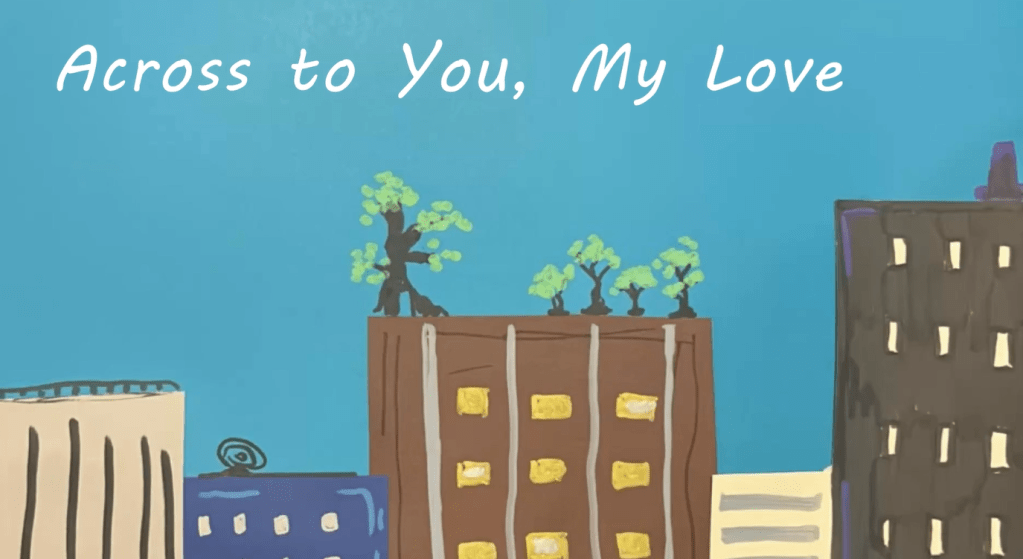
- Across to You, My Love: It follows two cats falling in love! The ally cat, Simon, wants to be with Cleo, his neighbor across the street. But he’s scared. All the routes seem dangerous even life threatening. But he is filled with hope as he looks at the couples around him. He ventures out and eventually gets to Cleo, living with her and the life they will have :D.
- The Master Piece: A little girl wants a pair of ballet shoes. To win them, her dad joins an art contest. He begins his master piece, of the daughter loves with his heart. But as time goes on, perfectionism starts to weigh in. He loses sleep, he gets furious easily and even ignores his daughter. And he finishes though, he gets literally sucked/consumed into the very painting he made. The story ends in the same it began, with the daughter showing her fathers work to the audience, not knowing he’ll never return.
I understand that both are very complex, and each holds a special place to me. And ultimately, I get choice which I do for my stop motion. However, I think I’ll try the Across to You first. The Master Piece would be a great short film, but not one that can be made in a week. So we will see how it goes!
Practicing Stop Motion!
For this final part, I wanted to practice a bit of stop motion before I continued further. While I didn’t have my main characters/set done, I did know the style of video I wanted. The main things of focus were transitions and fluidity. So, using one of my Monster High dolls, I begin to create!
So, using my stop motion app, I created my small video! Using 12 frames per second as a base, I admit some parts are a bit choppy. But I was especially happy with the transitions! Each was meant to cut as the doll moves, allowing each position to feel smooth and not static on the screen. By doing this, it gave me a good understanding of how filming could go!
Also, if you want to watch it, please do so on your phone. Maybe it’s just my computer, but the quality looks better on phones. And again, many things will change in the process of the stop motion, so I hope you liked this article!
 The Simple Look
Leave a comment