

It’s 2057. We are in the future of the digital age, and technology runs rampant. Instant chips to connect to the internet, and media is now only online. But one woman, Willow, wants to preserve her history and others. How will she handle her new job, destroying all traces of physical media?
This is the plot of Future Tense, a senior film capstone at Quinnipiac. For my next project, I want to explore the process and progress that this story has taken. Because the story covers a lot of heavy and important topics. And I will accomplish telling this story through the eyes of one of the heads of the group running the film. The assistant director and co-writer, Marjae Beasley.
Key Steps to Filming
In order to get ready for this project, I would have to learn a couple of new areas of practice from our good friend, The Bare Bones Camera Course For Film and Video by Tom Schroeppel. While filming and graphics were being done, one of the problems I had last time was lighting and timing. So this week, I focused on those subjects to get an idea of how to film the best way I can.
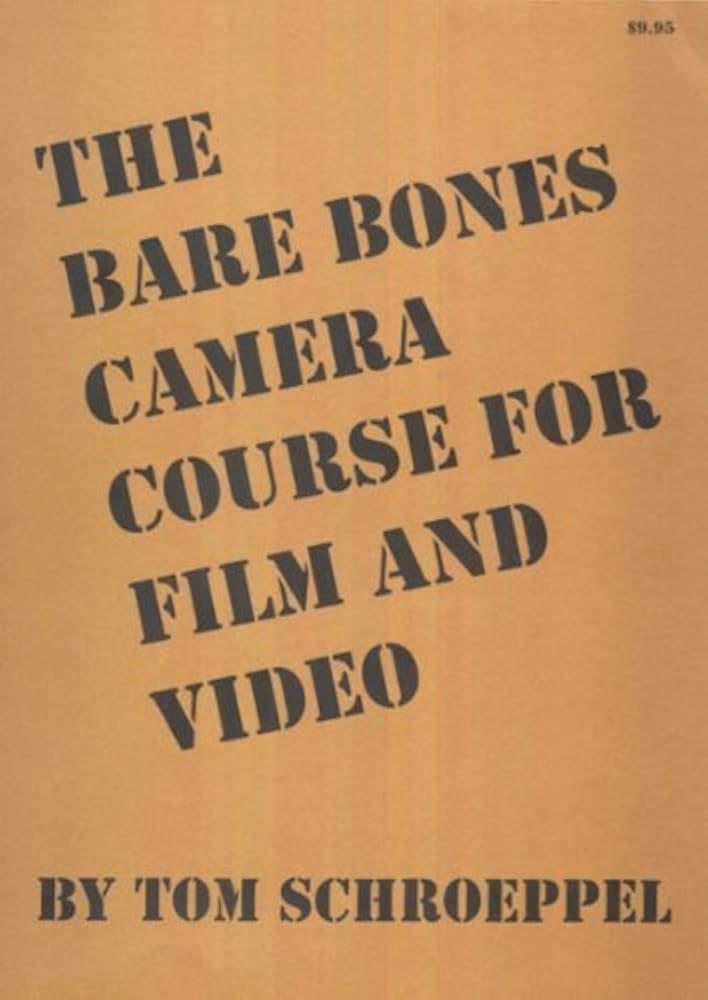
Bare Bones Chapter 7: Lighting
Lighting greatly impacts a scene. Depending on how you light a shot, you greatly affect the outcome. Schroeppel tells the audience to avoid side and back lights. Your best bet for good lighting, no matter what, is having a reflector or a fill light. Reflectors are used to angle the light in a different direction, while fill lights are used to fill in extra areas that need lighting.
There are also going to be different types of lights: focusing, quartz, broads and soft lights. Focusing lights concentrate light into specific areas. Quartz lights are bright lights that dim when reflected on other items. Broads also work like focused lights, and finally, soft lights are automatically softer lights that glow dimly.
The best part about lighting is that you are allowed to mix and match lights, with anywhere from 3-5 different lights in a single shot. So your lighting will always depend on the shot you plan to shoot. It’s just important that you care for lighting, no matter what.
Bare Bones Chapter 9: Doing It
Here we finally focus on organising and planning our shooting sequence. There are two major ways that Schroeppel mentions. The first is having a list of some kind. You could do a slate, so filming the first two seconds on a shot. You could also do a shooting script or storyboard. No matter what shot you’re organizing, having any way to manage shots can help lay a path to what your film may look like.
But maybe you aren’t the best at organisation. You could also just wing it. But you have to be careful how you wing it. For starters, communicate what will happen, especially when with other people. This way, people can prepare properly. And if you genuinely have no clue what to shoot, focus on the basics. Composition, angles and cutaways can always help. Sometimes, even in an uncontrolled situation, having the best reaction will be your ideal outcome.
What Works vs. What Doesn’t in Storytelling
All these steps in filming can ultimately affect the final result of your story. Don’t believe me? It’s true. But I hear you! You need proof. Sometimes it’s better to physically see the difference between what makes a good story work vs what doesn’t. Here’s some of my favorite examples of storytelling that resulted from being well produced.
Amy Bradley is Missing: Netflix Crime Documentary
I have always been a fan of crime documentaries. I find them to be edited and laid out correctly. And well, one of the ones I watched recently did a pretty good job telling the story is Amy Bradly is Missing. The major things this series did right were 1. timed sequences together well and 2. helped create an atmosphere that fit the tragedy of Amy’s disappearance.
So here’s what I mean. In the first episode alone, people from the events are introduced first. As they explain their version of events, different things are clipped. Sometimes photos, videos, maps, and recordings of the night she went missing. Each thing is organized so that the clip fits the person’s words. Amy is always a part no matter what. Whenever she’s named, she’s always shown or implied to be located in a specific place. It’s a good documentary that serves to tell her story in a respectful way.
The Presidents, Obama: Documentary & Biography
Beloved by many, there are many documentaries telling the story of our presidents. But I think this is one of President Barrack Obama does great, telling his story, and how he became president. You follow one main narrator but with a bunch of interviews discussing his life as well as his time as president.
There’s also a nice mix of editing and clips used in the biography. While there are no fancy transitions and cuts between the shots, I found the documentary to still be entertaining. It’s not trying to be flashy or too much; it’s just the story of how man managed to change history forever, and it focuses on explaining his story.
Michael Jackson and Orpah Winfrey interview
One of the most-watched interviews of all time came in the form of an interview between Michael Jackson and Oprah Winfrey. It’s a very popular interview, and provides an outlook into probably the most famous singer of all time. And by all means, it’s a good interview. It follows the classic back-and-forth shots and mainly focuses on the story elements of Jackson’s life.
However, I do wish there were more clips used at the time. Don’t get me wrong, he is an awesome singer, and getting a look into his life is one of the most interesting experiences. However, I just wish there were some extra clips of his life. Like when he mentions his times on stage or his childhood, there could be some extra clips when he talks. Nothing big, just some to make the hour feel less long.
Time to Create the Script!
After all the research and learning, I began creating the script and setting up for what I wanted to happen. For starters, I want this project to have a nice mix following of Marjae’s creation process and the techy feel that their film would be based around. I also decided to stay away from the classic behind-the-scenes style of shooting because they start filming in February.
There would also be a fun mix of shots to add. Since this project has a bit of interview questions revolving around her film, I asked Marjae permission to use some of her public content in their film, as they have created promotional material already for the movie. I think that those shots mixed with the script will add to what my documentary and show viewers what exactly her answers mean.
I’m excited either way! I have a list of the equipment I need, and I am filming this Tuesday. So this will be a fun project!
 The Simple Look
Leave a comment