
I wasn’t shocked to learn that video work is difficult to learn. I know, crazy concept. But in all seriousness, I really underestimated the work that everyday photographers and film creators do to get the perfect shot and learn the best way to tell a story.
This week, I learned proper video work by starting a video montage at a location of my choice: Edgerton Park in New Haven. What looks like a quaint public park actually has a vibrant community worth showcasing. To make a good video, I needed to learn essential skills.
Learning the Basics
Creating the montage requires a plan. This project can’t be done in one day—it needs to happen over the week. With my limited experience, I must also learn to use the equipment and techniques for a strong montage. The readings below taught me both camera basics and strategies.
Bare Bones of Film and Video
The Bare Bones of Film and Video‘s chapters that were explored this week focused on the Basics of Camera Work (chapter 1), Composition (chapter 2), Camera Moves (chapter 5), and Montages (chapter 6).
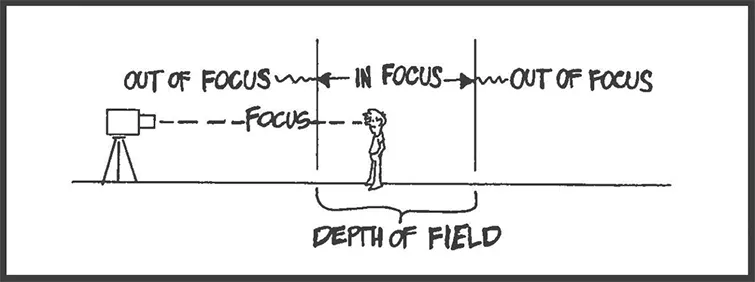
The Basics of Camera explores what you must consider when filming on video. Aspects like the lens, exposure, color, and light all impact the quality of your video and what exactly each affects. For example, lens sizes (a normal camera lens size is 25 millimeters) will impact factors like the range of focus. A small lens will have a smaller focus range. Depending on the lens and angle of the camera, you will also impact what’s in the shot of the camera (depth perception of focus).
The Composition chapter goes into the types of camera shots. Schroeppel states that good composition means finding the right mix of what you show on screen. You can use different techniques like the Rule of Thirds, Balance, and Angles. Each brings a sense of balance; nothing feels too overwhelming or confusing, as it is satisfying to the eye. You should also consider where the audience needs to look, background shots, and frame elements.
Camera Moves and Montages weren’t long chapters, but still provided great insight. In Camera Moves, you learn how to move your camera, from zooming in and out to left and right. An important thing Schroeppel mentions is that when you are moving shots, make sure you start and end with a good composition. This leads to Montages, which is a collection of our shots. Like the previous chapter, Montages reinforces the idea of good composition. No matter the montage, every shot should be distinct. They should not look similar.
Video Pre-Production Planning Checklist
To make a good video montage, one needs a schedule. That’s why the Video Pre-Production Planning Checklist article by Jacob Trussell is so critical. Trussell explains 15 checkpoints on what to plan for video recording, with a simple explanation on how each check works. You are first going to define your goals, audience, and message of your video.
Next is your production process. These include making your budget, planning which channels to distribute on, and what type of video you’d want to make (like a documentary, ad, etc.). Once all that is solved, you can begin writing your script and storyboarding. But the most important aspect is the scheduling.
Scheduling includes location scouting, shooting the video, and any post-production content such as editing and marketing. The best part about this checklist article is that it serves as a way to not only keep the user on schedule of what they need to do for filming, but also a base of requirements for any project.
Exploring Storyboards and How to Make Better Videos
Now that we have our equipment and scheduling done, where do we go from here? Well, storyboarding! As one of the phases in pre-production, storyboards visualize the direction you want your video to go in. In Exploring Storyboarding and How to Make Better Videos, author Amanda Athuraliya talks about storyboards and their importance in video.
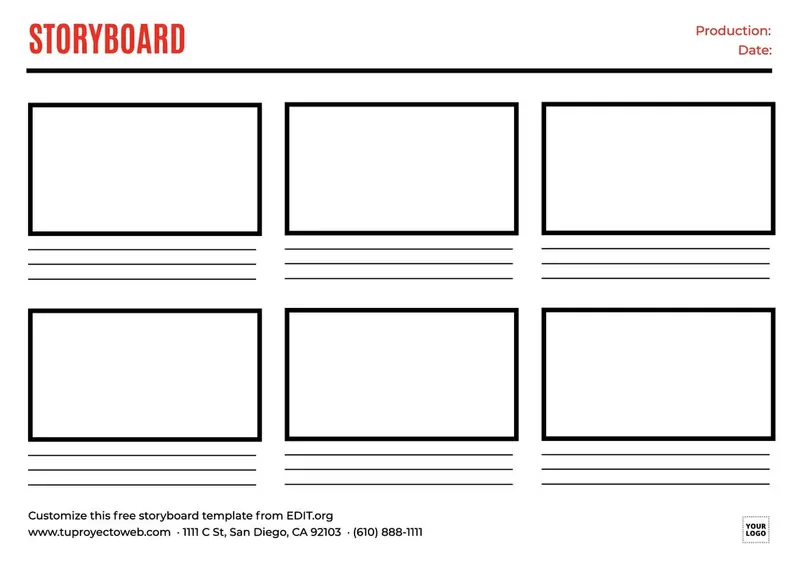
In storyboarding, you follow four stages. First, plan your video, second, create the storyboard, thirdly, add your script or additional notes, and lastly, collaborate or revise anything left. A storyboard isn’t meant to be extremely detailed, but simply a way to draw out where things will go, and the purpose of each shot. As you craft your work like a comic, you slowly see how things will go, even before you film.
What I was Looking for: Inspirations
When I began thinking of the best way to showcase the park, I wanted to find video shots that always stood out to me, especially ones that affected my life. I know that media lives with you, and I can learn from my inspirations, so I know I will be on the right path.
Married Life: Up
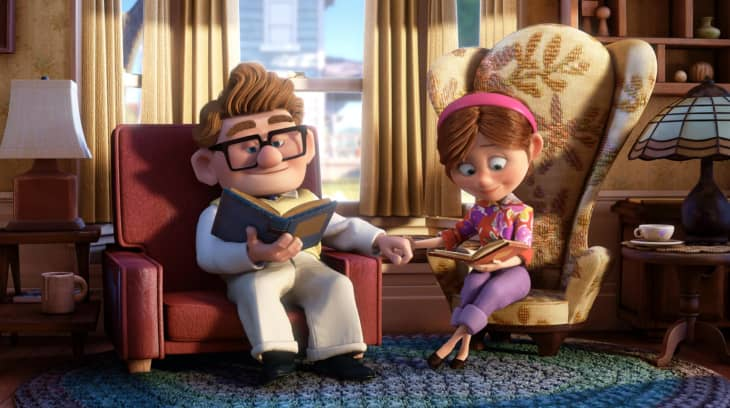
A beautiful scene that touched the souls of many families, the Married Life Sequence of Up is one of the most heartwarming and touching scenes created by Disney. At 53 seconds, we see a great shot of Carl and Ellie in their chairs, right after they move into their homes. The shot is used as one of the most important framing devices in the movie, representing how much Ellie was to him in his life. It’s a really incredible shot, framed in the center, and it makes everything feel naturally unbalanced with Ellie gone.
The First Meeting: Silence of the Lambs
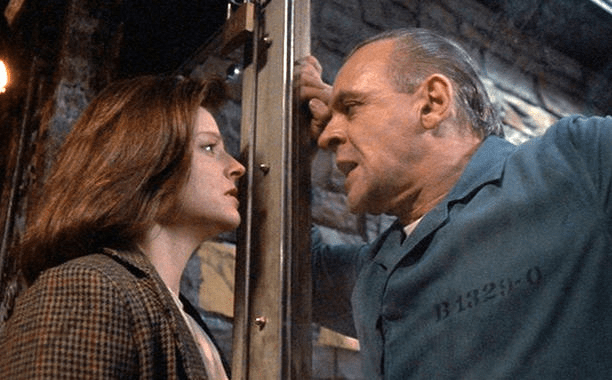
A bit of a drastic turn, I know. One of my favorite movies that uses composition to its advantage is The Silence of the Lambs, specifically Clarice’s and Hannibal’s first meeting. Beginning at the 2 minute mark, the scene plays out where Clarice is trying to learn about a murderer through Hannibal. To show the power struggle between the two, the compositions of their scenes are a mix of the Rule of Thirds and Balance. By making Hannibal appear “bigger” through both the Rule of Thirds and Balance (when he’s in the middle of the screen), the scene results in Clarice feeling smaller, having her power be less than Hannibal’s. And by the end, the shots of both Clarice and Hannibal become equal in distance, making them now equal in power.
The Legend of Zelda, Breath of the Wild: Opening Title Scene
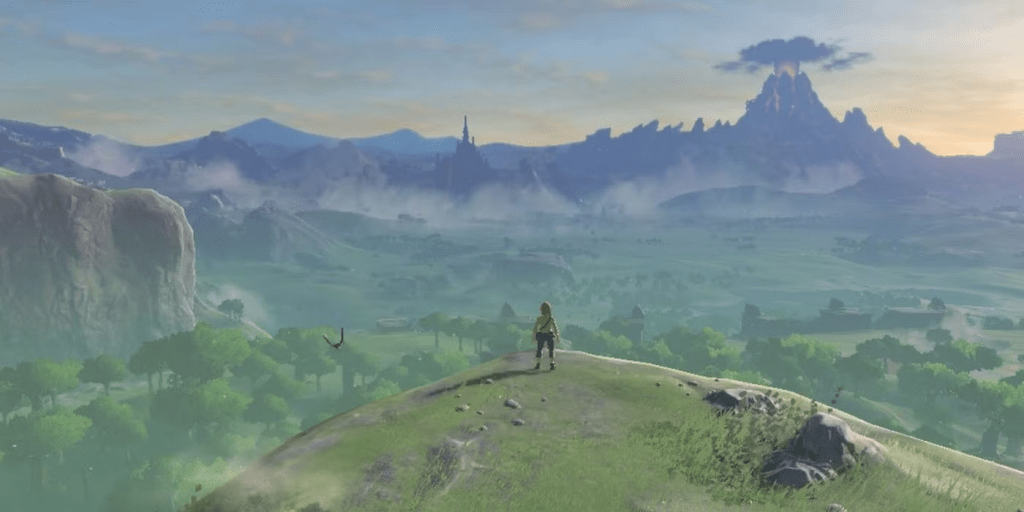
My favorite video game of all time, the opening title sequence is one of the best experiences I’ve seen in a game. Starting at the 2:50 mark, the scene shows its open world in one continuous shot. The scene leads to Link seeing the world for the first time. From the framing of Link at the tip of a cliff to having the world be balanced through the environment, the framing makes the viewer open to exploring the wonders of Hyrule. An incredible shot for an incredible game.
Practicing Composition
After all that, I finally went to Edgerton Park with my Canon Rebel Camera. And the result was… difficult. As someone with limited practice in photography, getting a good composition was difficult, and there were many factors I had to consider. For example, I feel that lighting is now critical to a good composition, at least on my project. It was hard to see images in some cases, and I had to retake a lot of photos in a limited time span. I felt rushed and wanted to plan better in the future.
But I did like taking photos of the park, and there are more aspects I want to add in the future. One of the things I originally wanted to have was people, since the community played a big role in the environment. I even saw a married couple taking photos after their wedding. So while the images turned out okay, there are more elements I want to add in the future.
Important to note! I also underestimated the size of the photos. This was my first time using a Canon camera, and while many photos came out good, many were too big to use. So half my photos are of Edgerton Park, and inside photos are of Quinnipiac University’s Student Center on York Hill. There’s a lot I have to improve on, but I don’t regret the photos I took. It can only go up from here. Here’s the actual photo list.
Script Writing and Storyboarding
The script and storyboard were the final parts of this week’s preparation. Despite a long and hard week, I think the actual turnout was really good. Edgerton Park has a lot of community both now and in its history, and I think that by illustrating those aspects in the script and storyboard, the final product would turn out really well.
So, as I finish up my script and storyboard, I look back on the journey. This week was rough, but ultimately, it’s taught me that I need more practice most of all. Because I want to make a good story and a good video that shows what Edgerton Park can offer. But I need to practice, and really, the best parts of video work to get a good idea of where to go. So I will see you next week, with a montage that shows Edgerton at his best.
 The Simple Look
Leave a comment