
You never realize just how much effort goes into a podcast until you sit down and make it. I had the privilege this week of editing and finally releasing my podcast, Activation of AI Regulation! A PSA podcast on just how powerful AI is without regulations, and how we must bring awareness to the problems that come with no legal power. It’s an important subject to discuss, but by no means was it easy. So let’s take a look at the process and what we can learn from such an adventure.
Learning to Record
To make the episode understandable, one needs the proper gear. I decided to change gears for the recording process, though. I originally intended to use my PC, but the fan would interfere with the recording. I found the best method was to use the Zoom Input and the Rode NTG-2 shotgun microphone. These tools would result in audio that sounded clear with limited static. I would also use Pixabey for my sounds and Adobe Audition for editing the audio.
But all this equipment is nothing without good strategies. Audio isn’t just about getting proper equipment; you must learn how to better your work. Using the writings below, I gained some insight into techniques I would later use in recording and editing.
7 Secrets for Getting Pro-Sounding Vocals on Home Recordings
I first came across 7 Secrets, written by Filippo Gaetani. His article focused on methods that help improve audio recording in your home, like the Hack Your Bedroom technique, which focuses on using cloth to soften sound vibration in your room. Since sound travels more when there is less in a room, using cloth helps make the audio sound closer and less echoey.
However, the two techniques I used the most in my recording process were the Do Several Takes and to Be Careful With Your Vocal Editing. The first one was helpful because I knew that there would be times where I either screw up talking or sound too robotic. Having multiple takes made it easier to find the best outcome for the podcast, even if it meant looking through a lot of audio.
I also found the Vocal Editing one helpful for a similar reason. That one explained how while clarity is important, your pitch and tone are just as important. Find a good mix of audio that serves to tell the important aspects, and find audio with personality. Having a good mix means that your podcast will be both entertaining and informative. Too much or too little could result in robotic talking or too much for the user to deal with. Overall, the 7 secrets helped me understand how much thought must go into making audio.
Sound Advice: Editing Audio for Video
The Sound Advice article by Videomaker also provided helpful insight. Videomaker goes through different ideas to improve the editing process of your audio. Much of the advice helps creators improve on different parts of editing, from recording audio to transitions to cutting down audio. If I had to pick the ones that were most helpful for me, then Snip and Clip and Ear Candy provided the best advice for me.
Snip and Clip focused on cutting down audio so that each clip flows into the next easily. I found it really helpful, especially transitioning from audio to sound effects. Ear Candy is also good. That one stated that audio should be easily blended. However, if it can’t, then use Ear Candy or audio that serves to mix with the actual recording. These can be music, ambient noises, etc. They solve audio issues and can help set the mood of a clip. The Sound Advice article really showed me techniques that I could use for my podcast, and many helped improve the organization of how I edited.
Inspired By Many
There were many inspirations for the podcast as well. Each sounds clear. The quality of the audio is great. But what I thought was most inspiring by each hand to do with how they engaged with the audience, espicially through sound. I highly recommend listening to any of these videos.
The Stanley Parable: Video Game

One of the most unique gaming experiences I’ve ever watched is The Stanley Parable. Its unique atmosphere and gameplay make it stand out as one of the most interesting gaming ideas. The story follows “Stanley” as a Narrator who tries to explain his day at work. However, Stanley can go against the Narrator. The plot follows Stanley’s adventure as he explores his own choices and ideas.
What made this game stand out is its ability to have someone always speaking to you. The character of the Narrator literally narrates everything you do. And because the audio is so well done, the voiceover never feels boring. This narration plus the game sound effects, makes everything feel more engaging as you play. Because of this gameplay, I wanted to try something similar, where the podcast makes the audience a part of the discussion on AI.
When Did Conspiracy Theories Get So Crazy? Kurtis Conner

I’ve watched Kurtis Conner for many years, and I have to say, his videos bring me joy in so many ways. And his editing style is hilarious to me. Especially in this video, his humor is upped by the editing. He uses sound effects and music to play into his silly humor. They also always fit the vibe that he is going for. For example, in this video, he uses more spooky sound effects to emphasize the threat of ongoing conspiracy theories, but keeps his normal sound effects in his silly sections. The result is audio that is a nice mix; it doesn’t feel like too much or too little.
If I am to have that right mix of silly and serious, then I would be overjoyed. Because while many of his videos are silly, many of them cover very important topics in really effective ways.
Neo vs Agent Smith: The Matrix
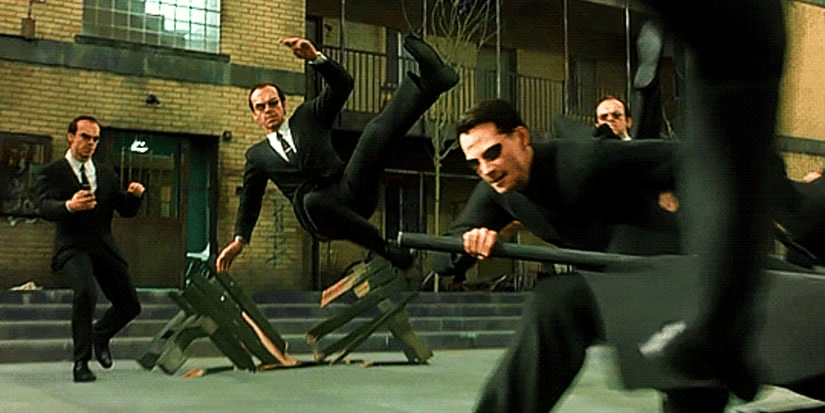
The Matrix is one of the most incredible movies, especially the effects. This scene especially stood out to me. While there is limited talking, the actual fight does a great job mixing music and sound effects for me. The music adds to the scene, making every punch and attack feel super suspenseful. The sound effects also sound pretty real, too, making every impact feel worse. And eventually, when the fight ends, all music cuts, allowing the audience to rest.
The mix of well-timed music and sounds helps add to the environment. While my podcast isn’t as intense as this, learning to have well-timed audio will make everything feel well-paced. Because audio shouldn’t just be engaging, it should also fit the scene at the right moment.
What We Can Learn From Such a Podcast
Doing this podcast really showed me how important audio is, and its editing process. While I love my PC, I found that in order to tell at least a clear story, I needed to change tactics. Using the Zoom Pro and Rode NTG-2 shotgun microphone was ultimately the better option. And through copyright free sites like Pixabay, I was able to collect sounds effects and music that really added to the story beats. Finally, Adobe Audition helped combine all the elements to create a podcast worth showing to the world.
And I don’t regret my topic on AI. We live in a society where AI is new and exciting, but also dangerous. The limitless outcomes have yet to be explored. So I wasn’t just making something for people to listen to, I wanted to tell a PSA that could bring awareness to how Ai is regulated. This is an important topic, one that cannot be ignored. And through a podcast like this, we can continue to bring awareness to serious problems everyday.
Here’s my podcast! I hope you enjoy Activation of AI Regulation!


 The Simple Look
Leave a comment