

That’s right! If you haven’t read my past couple blogs, I’ve been on quite the journey. This week marks an important point. My Art Health Tracker, a product I have been working on over the past 5 weeks, is now available to Gumroad for $5, and soon on Etsy. And like all previous weeks, I want to talk about the progress I have made on the project. This time though, we discuss a different aspect of the product process: the sales content.
Turning Ideas Into a Launch Plan
When I begin, I set a few major goals for myself. These goals would be the schedule that I would follow throughout the last week.
- Get the tracker live by October 6th.
- Have it on Etsy by October 8th.
- Continue creating promotional content that could be shared across platforms like Instagram, TikTok, and YouTube.
- Add my product to my professional accounts, both on my portfolio and LinkedIn by October 10th.
With my goals, I needed to pick a place to sell the tracker. I originally wanted to host it on Notion, but the verification process for a shop would take one-two weeks. That’s when Gumroad stepped in as the perfect alternative. It made everything easier, from uploading the product to creating a simple yet professional layout of the tracker.
Target the Right Audience
Before I designed my sales pages, I wanted to know which people would be likely to find the Art Health Tracker. I pondered questions like what would they gain out of the first viewing? Would they understand the content? And what descriptions would perfectly explain why this product was right for the user?
So I did some research on what a user might seek through the tracker and concluded my best findings.
- A consumer looking for a journal/tracker would actively seek out such products through websites or threads like Reddit.
- Consumers value the personal growth aspect of tracking their health most of all: they want to see that their health is the main priority.
- For users looking for a creative outlet outside of journaling, there actually isn’t a lot of information about expressing yourself. This product should be something they’d want to learn about.
Designing With Simplicity in Mind
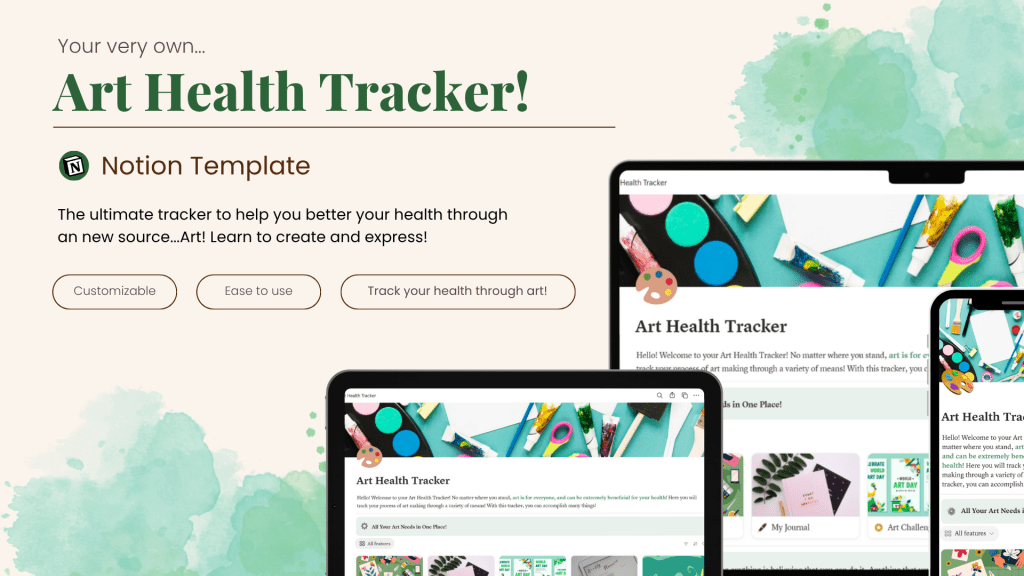
With my audience defined, I began to work on the sales pages. Using Canva, I designed assets that balanced style with clarity. I didn’t want flashy visuals that overwhelmed people; I wanted users to understand the purpose of the tracker at first glance. Many digital products I saw online were packed with beautiful details, but their explanations were hard to follow. I didn’t want that for the Art Health Tracker.
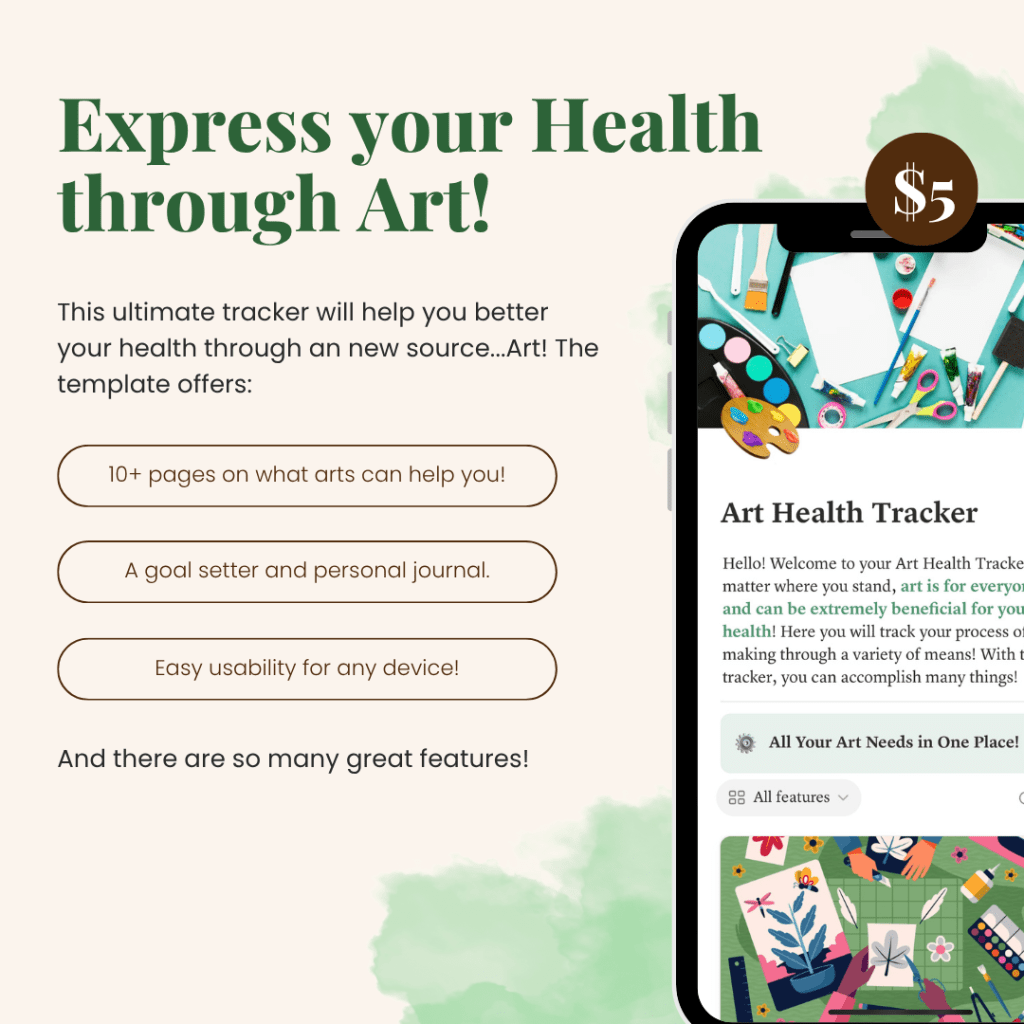
So, I focused on simplicity. Each sales page had to be easy to understand. They needed to show how the tracker supports personal growth, how art connects creativity with the user’s health, and how it functioned. The Etsy version would have more detailed descriptions, while the Gumroad page had room for larger visuals and a more open layout.
Reflection
As I wrapped up the project, I realized how much work goes into marketing something you’ve made. You have to think about what your audience values, how they find products, and what kind of messages will make them feel seen. For example, I noticed that many people want to track their health but also struggle with art. That insight shaped how I wrote and designed everything. My goal wasn’t just to sell a product; it was to encourage users to keep creating, even when art feels hard.
Now, with my video tutorial almost ready and my Etsy shop in progress, I can finally say that the Art Health Tracker is out in the world. I’m proud of how far this project has come, and I’m excited to see how it helps others discover the art of taking care of themselves.
Here’s my full report if you want to learn more!



 The Simple Look
Leave a comment