
Everyone loves a good story. Many of our favorite books, films, or games are beloved because they tell a great story. And one of the earliest forms of storytelling people are introduced to is animated storytelling. We all learned lessons from cartoons like Looney Tunes or SpongeBob to heartwarming themes from classics like The Lion King. They impact us in more ways than one.
However, a new problem has emerged. Despite the success of stories in animated films and shows, there are problems in the animation process. A 2019 report by Anime News Network talked to animators about the working conditions, with many saying, “We worked all night, every night, for weeks on end. It’s exhausting”. There are major layoffs to animators and writers resulting in media coverage like the 2023 writers strike. Productions are cut and deadlines are tight.
Why should people care though? Well, the shows and movies we love are now being created by struggling workers and tough production standards. The animation industry is now an environment that is causing quality stories to be harmed as well as the people behind them. There must be a change in how the animation industry handles creating quality animated storytelling.
How are Animation and Creating Stories Connected?
A simple question needs to be asked to understand this topic: how are animation and creating stories connected? They work together through animated storytelling. The Animost Team defines animated storytelling as:
“The art of using visual and auditory elements to convey a narrative. It involves the seamless integration of characters, plot, and emotions through animated sequences.”
By this definition, it makes animation a form of visual storytelling like film, art, or pictures. And just like other visual storytelling mediums, animation can convey its message through color, movement, and composition. You create story beats through actions and body language, rather than words. You will still get your plot and characters, but you don’t need words to show emotion and conflict. What does that look like?
(go to 1:30)
Look at this scene from Toy Story 3. Watch it on mute, from 1:30-2:31. This is the scene where the toys believe they will die in the incinerator. But look at Buzz’s face, Jesse’s, or anyone in the scenes. Animators designed the characters so that you can see the absolute pain and horror in their eyes. You can tell that despite being terrified of their upcoming death, at least they die by each other’s side. And you don’t even need to hear the audio to see the emotion. This is the power of animated storytelling.
The Big 3 of the Creating Animated Stories
Animation must be created during the production phase of a movie or show. Three big factors affect the production phase of animations: Cost, Technological Workload, and Story Creators. All of these matter because if any of these are affected/changed during the processing stage, it will ultimately impact the output of the story.
Cost
The first impact is your cost. Animation relies on how a company can budget. Yumyumvideos found that big-budget movies and shows made by companies like Disney or Pixar cost $8,000 to $25,000 per sequence of animation. This cost includes considerations like timelines, powerful 3D technology, and animators’ expertise. Your cost can be less depending on what technology is used and who’s working on what. So when you hear that production costs get cut, animators cannot add all the details and refinements to the animation. A lack of cost can cause the story to feel low in quality since the animation looks rough or too simple.
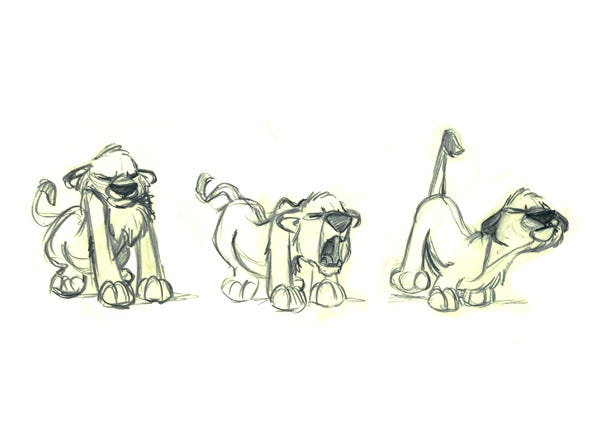
An example of good cost use was Lion King (1994). This movie is the second highest-cost animated film, with a budget of 250 million. This budget allowed the 2D animation of the film to be detailed. The image is of some of young Simba’s expressions. Each detail is crafted to add life to the character. By having a good budget, the film created good character features that made the story feel more lifelike.
Technological Workload
Your second big impact on animation is technological workload. Animation requires planning, scheduling, and separating the work into smaller workloads. Many films and shows take teams of different workers to create an animation. From your storyboard artists making sketches of the frames, writers who refine the main plot, and animators working in 2D or 3D animation programs like Autodesk Maya or Abode. They all impact a different part of the work.
What happens if you don’t have enough workers? You get problems. The lack of workers causes studios to force animated stories to be delayed or rushed into production. A good story should be given the time and energy of the right amount of people.
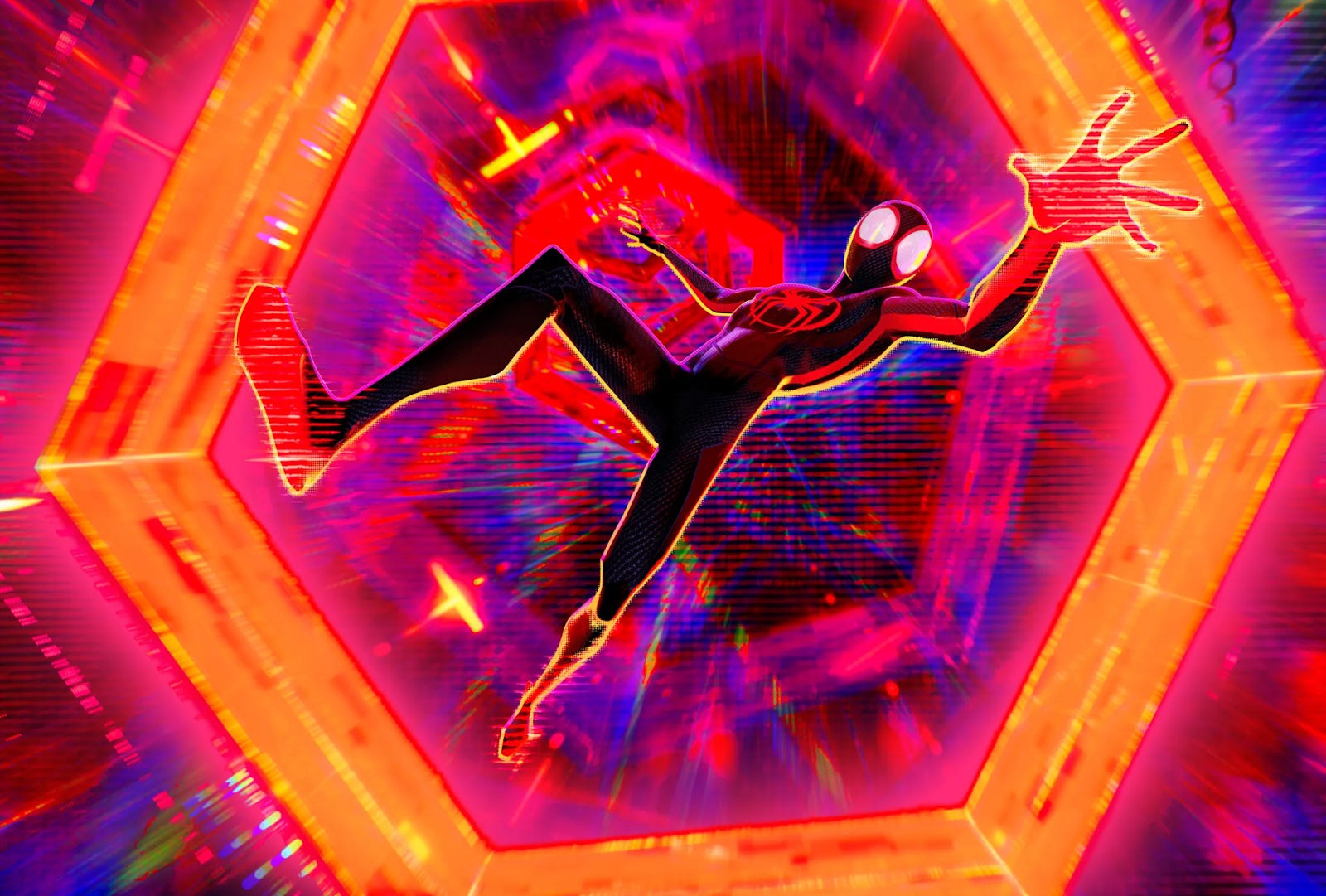
Sony for Across the SpiderVerse (2023) handled this topic well. The studio hired over 1000 new animators for the film over a 4-year project. These consist of 2D animators, 3D animators, VFX animators, graphic artists, and more. This means more ideas and details were added to the film, creating a movie with a gorgeous style.
The Story Creators
Your last impact on the animation is your story creators. For animation, it’s screenwriters and animators. Screenwriters write the scripts. Animators make the content. However, both groups struggle in the animation industry in different ways.
Screenwriters face high levels of underpayment and stress due to intense deadlines and contract disagreements. Meanwhile, animators face overworking, tight deadlines, and severe burnout due to how easily production shifts for animation. Poor work environments result in workers no longer being worried about the story but instead about their health risks.
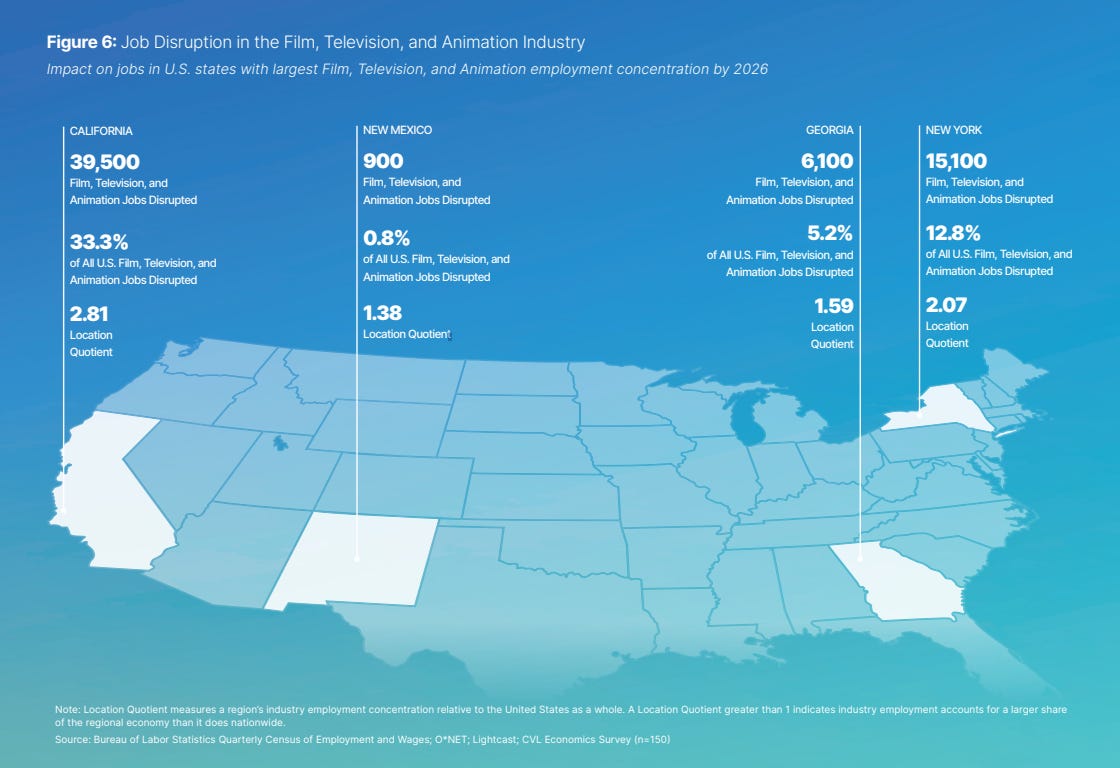
For both groups, there are also concerns about layoffs due to AI advancements in the workplace. The Animation Guild found that there are roughly 500,000 jobs within the Film and Television industry. Around 21% of all those jobs (120,000) will be disrupted by AI by 2026. This decrease in workers would cause many to go unemployed and also cause stories to be delayed or rushed depending on when a company is expected to release a movie or show.
What Must Be Done to Begin Change
Changes are required to help animated stories and their processes. A few changes can bring a large impact on the animation industry to help bring better treatment to animated storytelling. These are Technological Innovations, Acknowledgement of a Story’s Impact, Workforce Quality, Supporting Guilds, and Keep Information Available to All. If all of these can be addressed by companies, workers, and everyday people, change is sure to come.
1. Technological Innovations
If you recall the cost section of this article, animation productions are expensive. A change to the industry could be finding different technologies and software to create animations. Free software like Blender could be slowly being implemented into workplaces, bringing down costs. Or there can be new implementations of AI that could work alongside the workers so that they are not stressed and rushed.
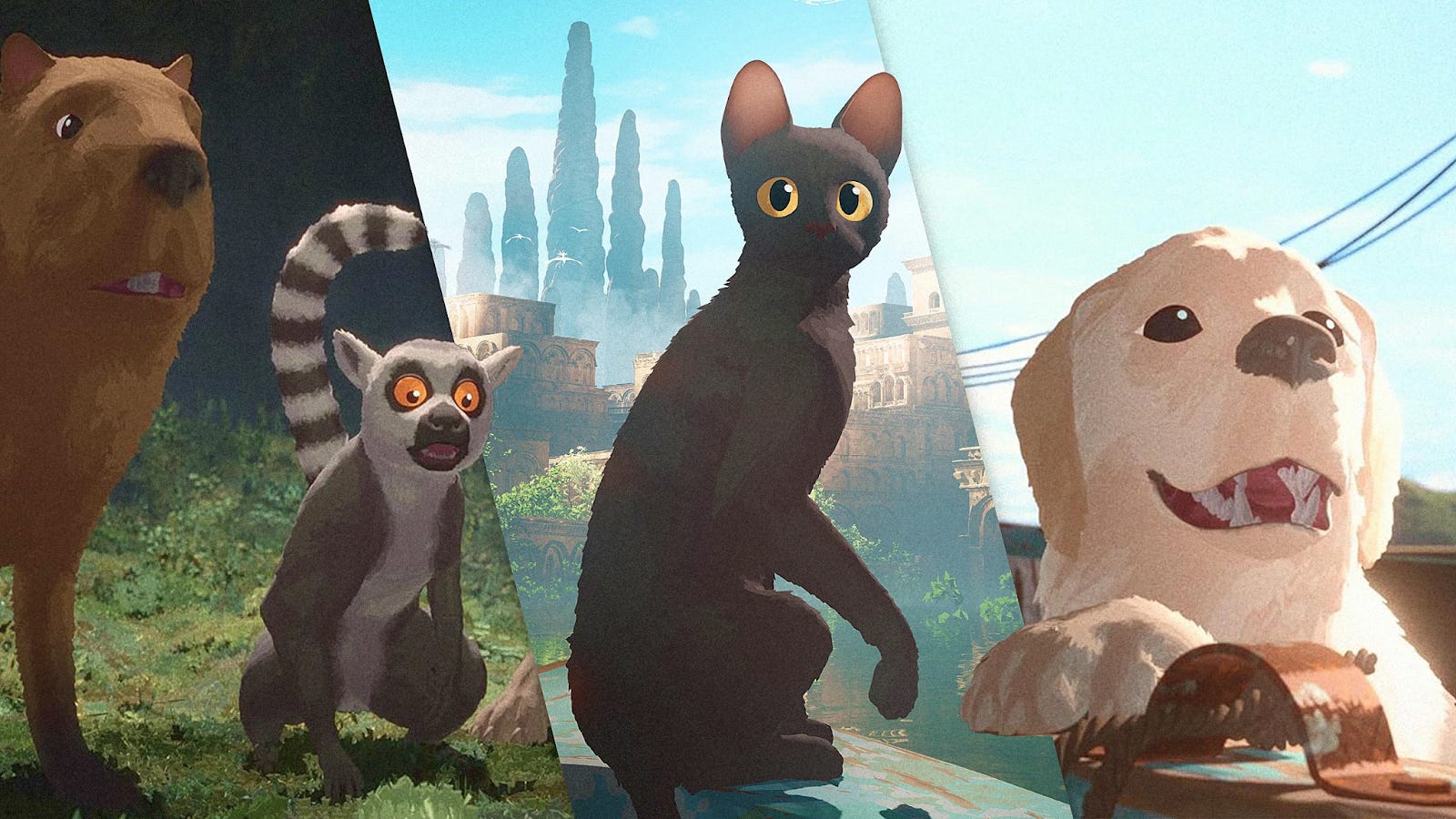
And we have technology that such implementations work before. Just recently at the 2025 Oscars, the film that won best animated movie was Flow, a movie created entirely in Blender. This brought the film over budget to a staggering 4 million dollars. Its competition at the Oscars Wild Robot cost 78 million to make and Inside Out 2 cost 200 million to make. Flow proves that technological changes can be made while still having a powerful story.
2. Acknowledgement of a Story’s Impact
A huge change that everyday people can make is to bring acknowledgment to a story’s impact. Many animated movies and shows we grew up with impacted different parts of our lives, such as our behaviors, culture, and representation in media. Animated storytelling can tell people complex lessons and remain timeless as the product ages. Discussing how important animation has been to our lives helps bring awareness to the good that animated storytelling can cause. It can bring value to what animation can bring to our lives.
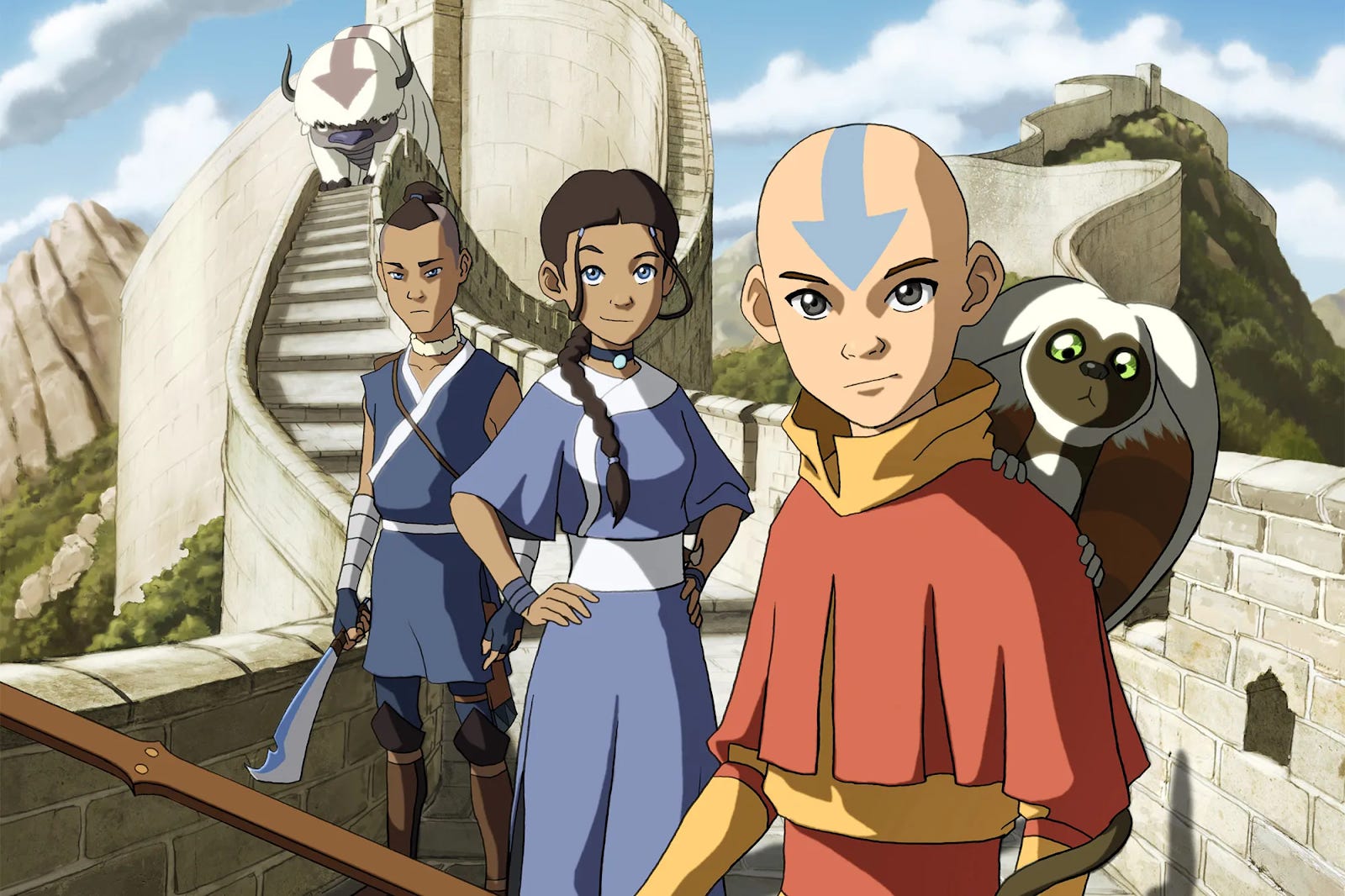
An example of an impactful animated series that’s not talked about enough is Avatar: The Last Airbender series. This series has accomplished so much since its debut in 2005. Here are some of the impacts that have come from the story.
- Impact on People’s Behavior: The Last Airbender teaches people the themes of maturity and self-growth in characters like Aang and Zuko
- Culture: The show is based around different parts of the world, including China, North America, Empirical Japan, and more.
- Impact of Representation: It has a large cast of diversity. Alongside this, its sister show “Legend of Korra” showed one of the first openly gay couples in animation.
- Serious topics: The show was able to discuss serious themes like genocide, losing loved ones, war, politics, trauma, and more.
3. Workforce Quality
There should also be better conditions for animators and writers. Animated storytelling requires a lot of time and focus. If quality stories and visuals are to be made to their best, then the workers must also be treated with the same respect. Flexible schedules especially should be a focus in the industry, since tight deadlines and scheduling are common for the industry. Having more room for productivity should exist. The Gartner 2021 Digital Worker Experience Survey, supports flexibility in the workplace by explaining that 43% of digital workers in tech-based fields (animation, computer science, etc,) said that flexibility in working hours helped them achieve greater productivity.
4. Support Guilds
Another change people can make is supporting guilds such as the Writers Guild and the Animation Guild. Both organizations strive for better pay when working, better hours, and strict use of outside content like generative AI. These guild members understand their value on projects and want to make quality stories for all audiences. By supporting the guilds, they can bring awareness to the problems with the animation industry and create agreements to help fix conditions like the ones in the Writers Strike.
5. Keep Information Available to All
Lastly, there must be information available for everyone to know about. Telling the stories of what is happening in the industry helps continue to bring awareness to the public. An example was the Steven Universe fanbase. The show carries a lot of serious themes and good representation. However, it rushed to completion because it had a gay wedding. When the fanbase found out, they called out Cartoon Network for trying to silence the LGBTI representation that came from the story. This is what the community does. Every idea previously relies on this last change. If society doesn’t discuss these things, change will never happen.
I know animated storytelling will not die. It’s a medium that creates movies and shows that last generations. It can bring stories and themes to us when we are young and continue to be classics for ages. However, there must be a change to how quality animated stories are created in the animation industry. If not, we are doomed to face the reality that quality animated content is meant to entertain and make money, not impact the world for generations to come.
Sources
Amidi, A. (2024, January 31). New report confirms worst fears: Ai will disrupt countless animation jobs over next 3 years. Cartoon Brew. https://www.cartoonbrew.com/artist-rights/union-study-says-generative-ai-will-disrupt-204000-jobs-three-years-237495.html
Goasduff, L. (2021, June 9). Digital workers say flexibility is key to their productivity. Gartner. https://www.gartner.com/smarterwithgartner/digital-workers-say-flexibility-is-key-to-their-productivity
Hernandez, D. (2022, October 21). Animators mistreated in the entertainment industry. The Eagle’s Eye. https://akinseagleseye.com/arts-and-entertainment/2022/10/21/animators-mistreated-in-the-entertainment-industry/
Lafouge, P. (2025, March 5). “flow”: An animated film made on Blender. Hollymotion. https://hollymotion.com/en/flow_cinema_blender_en/#:~:text=An%20Animated%20Cinema%20Movie%20on,%2DP%C3%A9lissier%2C%20Animation%20Director).
Reuters. (2023, September 27). Explainer-what caused the Hollywood Writers’ strike and is it over? | reuters. https://www.reuters.com/article/world/uk/explainer-what-caused-the-hollywood-writers-strike-and-is-it-over-idUSKBN30X0UN/
Tamayo, M. (2024, May 8). The state of animation: A global crisis of underpaid, overworked talent. The Discoverer. https://thediscoverer.columbus.edu.co/culture/the-state-of-animation-a-global-crisis-of-underpaid-overworked-talent/#:~:text=Young%20animators%2C%20often%20fueled%20by,artists%20but%20also%20hinders%20creativity.
Team, A. (2023, December 11). What is storytelling in animation and its elements?. Animost Studio. https://animost.com/ideas-inspirations/storytelling-in-animation/
 The Simple Look
Leave a comment